Welcome to a new spoiler-free series, where I analyze a director’s filmography and talk about which ten films are essential in understanding their work. This isn’t necessarily a ranking of their best movies (though oftentimes, it skews that way). Rather, these ten films describe what kind of movies this director was interested in making over the course of their working lives.
The fantastic filmmaker Wes Craven is up to the plate first. Wes Craven grew up in Cleveland and attended Wheaton College in Illinois. He received a bachelor’s in English and a master’s in writing from John Hopkins University. He began teaching at Westminster College and later Clarkson College, where he purchased a 16mm camera and began making movies in his spare time. In New York, he began working as a messenger on film sets and worked his way up to directing. He was also a father and an avid birder. He passed away in 2015 due to a brain tumor, at the age of 76.
In his films, Craven’s work often dealt with the domestic space and relationships, be it familial or friendships. Like other horror powerhouses in this era, Craven set many of his films in suburbia as a way to examine the uncanny. His work has been regarded as self-reflective and intelligent commentaries on the horror genre, often making movies about movies.

Craven’s first film, The Last House on the Left (1972), is certainly not my favorite of his, but it is influential and important to his work. The movie follows two teenage girls who are abducted and tortured. While the film is a little intense for me, I understand the appeal. As Kier-la Janisse says in her book House of Psychotic Women, “a rape scene is the single greatest justification for anything else in the film that follows- no matter how illogical, unbelievable, sadistic, misanthropic, graphic or tortuous,” (52). The film is regarded highly amongst horror circles as a complex critique of violence and an example of great cinema on a low budget.

Wes Craven’s next project The Hills Have Eyes (1977) is set in the Mojave Desert where the Carter family is stalked and killed by a clan of cannibalistic hill people. Craven famously did not want to make another horror movie after The Last House on the Left, but found he was already “pigeonholed” into the genre. While researching at the New York Public Library, he came across the story of Sawney Bean, a Scottish serial killer and cannibal, which served as inspiration for The Hills Have Eyes. Tobe Hooper’s The Texas Chainsaw Massacre also served as inspiration (both films greatly influenced the subgenres of road trip horror and cannibal horror). The Hills Have Eyes spawned a franchise, including several sequels and remakes. Actress Dee Wallace began known as a scream queen in part due to her role in this film.
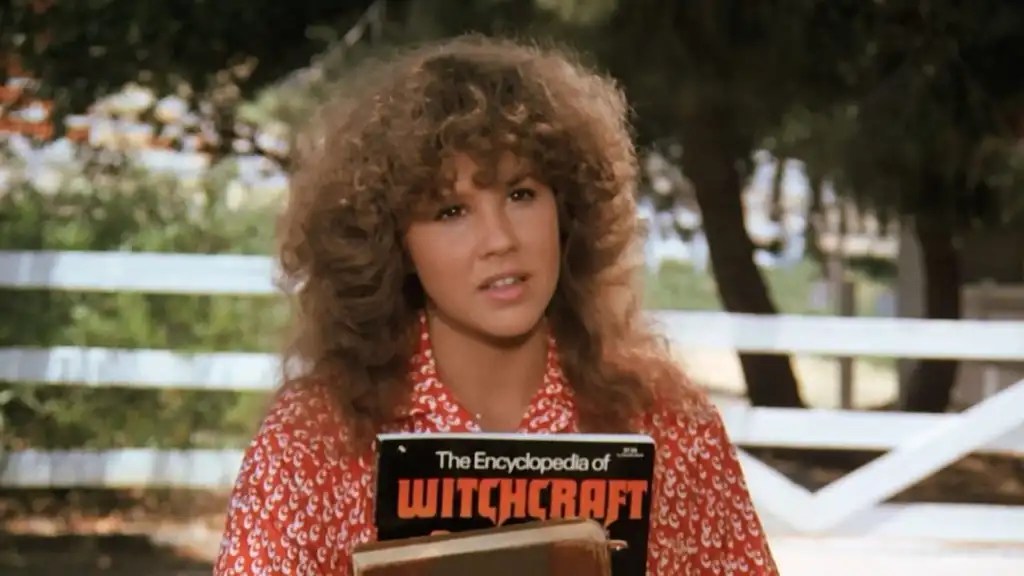
Sometimes referred to as Stranger in our House, the film Summer of Fear premiered on NBC on Halloween Night 1978, starring Linda Blair from The Exorcist (1973). The film follows recently orphaned Julia who goes to live with her aunt, uncle and cousin Rachel. Rachel notices strange things about Julia and begins to observe things going wrong or missing around the house, leading her to believe that Julia is a witch. Summer of Fear was based on a young adult novel by Lois Duncan who also wrote I Know What You Did Last Summer. Summer of Fear was Craven’s first movie working within the domestic space and his first film after he relocated to Los Angeles.

A Nightmare on Elm Street (1984) is one of the best slashers, successful franchises, and Craven’s top work for sure. The movie was one of New Line Cinema’s first films and skyrocketed the production company to fame. Teenager Nancy Thompson and her classmates are having trouble sleeping. They’re getting chased by Freddy Krueger, a child murderer with knives for hands, and if they die in their dream, they die for real. Craven has stated that the inspiration for the movie came from a newspaper article in the 1970’s about several Asian refugee men dying in their sleep. This movie blurs the lines between reality and the dream world by using ingenious special effects. Between Stephen King and John Carpenter’s suburban nightmares, Freddy fit right in.
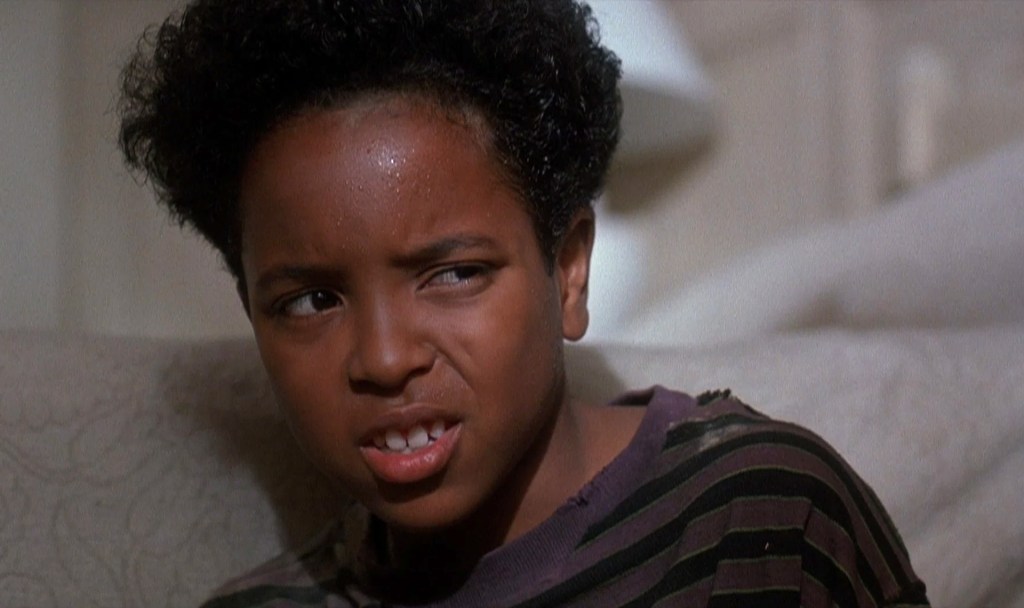
A few movies came between A Nightmare on Elm Street (1984) and Shocker (1989), but none of them quite compared to the next flick: The People Under the Stairs (1991). This film follows “Fool,” a young Black boy in Los Angeles where him and his family are about to get evicted by their terrible landlords, the Robesons. When Fool breaks into the Robesons house, he finds that the deranged couple aren’t the only people living in that house. The People Under the Stairs is an astute commentary on racial and class discrimination in American with the Robesons as a stand in for the Reagans (plus, they’re played by Everett McGill and Wendy Robie aka Ed and Nadine from “Twin Peaks,” so that’s extra fun). Apparently Jordan Peele is in talks for a remake, as of writing.

Despite Wes Craven’s New Nightmare (1994) being a commercial flop at the time of its release, the film has gone on to gain a reputation as one of the best Nightmare films and a cult classic amongst fans of the franchise. In this meta movie about the film industry, Heather Lankencamp begins to experience the terror that her iconic character Nancy Thompson experienced, all surrounding the fictional character of Freddy Krueger. I defend this movie because it’s a horror movie that is itself a commentary on horror movies… right before our next pick: my favorite Wes Craven movie of all time (and probably your’s too).

Written by Kevin Williamson and directed by Wes Craven (a match made in heaven), Scream premiered on December 20 1996. Teenager Sidney Prescott and her group of friends in Woodsboro California are terrorized by a man in a Ghostface mask who keeps hunting and slashing them. One of the biggest strengths of this film is that everyone in the town (and especially the teens) seem to be horror movie obsessed, always commenting on the tropes of the slasher subgenre. Scream single-handedly revitalized the horror genre in the 1990s, sparking countless “meta” horrors in which the directors had fun playing with the tropes from the 1970s and 1980s. The Scream franchise is one of the most enduring horror franchises, amongst fans of the genre and general cinephiles alike.

Sidney Prescott returns in Scream 2 (1997), but this time, in college. Kevin Williamson and Wes Craven team up again, along with the slew of characters that survived the first movie. If Scream had all the hallmarks of a great high school slasher, Scream 2 has all the college things: the quad, the sorority house, a theater performance gone wrong. The film faced controversy as a script was leaked to the internet, revealing several plot points including who the killer was. Williamson faced significant rewrites and the production prevailed.

In the early 2000s, the horror and thriller genres saw a slew of sometimes supernatural mind-bending psychological thrillers. Red Eye (2005) was one of these films. The film takes place on a red eye flight to Miami starring Rachel McAdams and her sinister(?) seatmate Cillian Murphy. In newly post-911 America, an airplane setting was always scary. This taunt tense thriller kept audiences on the edge of their seat. Famously, when I first saw this movie, I was a teenager and I turned to my friend and said “this should win an Oscar.” I’m still sad it wasn’t even nominated.
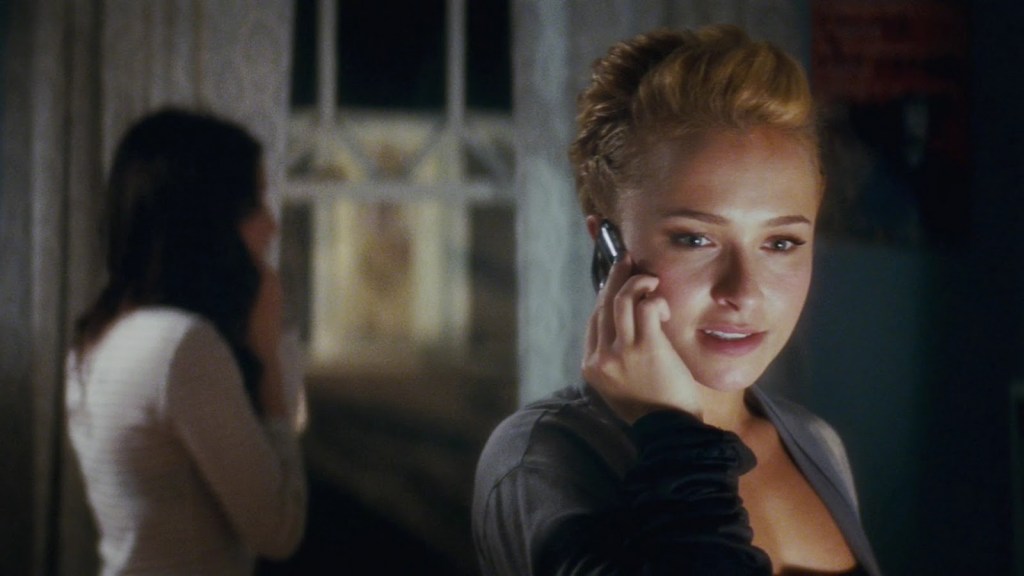
Scream 4 or SCRE4M hit theaters in 2011 and fun fact: was the first Scream movie that I ever saw. Sidney Prescott is back in Woodsboro and ready to promote her book when her teenage cousin receives a threatening call from Ghostface. Kevin Williamson returned as the writer (notably missed from Scream 3). Both Craven and Williamson said that the success of the fourth movies could bring a fifth or sixth movie. This was also the final movie that Craven directed before his death in 2015.
And there you have it! In chronological order, Wes Craven’s Hall of Fame. Do you agree with the films that I chose, or would you have preferred I included Cursed, Swamp Thing, or The Serpent and the Rainbow? If you’ve never seen Craven’s movies, which one will you start with? Will you go in chronological order or skip around? Which director do you want to see next in this series?
Works Used:
“40 Years Later and ‘The Hills Still Have Eyes’” Bloody Disgusting, 2017
“Exclusive: Scream 2’s Jerry O’Connell and Kevin Williamson Talk Leaked Scripts and Different Killers!” Dread Central, 2017
“Wes Craven: the mainstream horror maestro inspired by Ingmar Bergman” The Guardian, 2015


Leave a Reply