Anthology horror differs from other horror subgenres in that it’s technically not a genre at all. An anthology horror film connects between 3-5 short stories with a framing device at the beginning, between stories, and at the end. Sometimes each section is written or filmed by different people with different casts of characters. To me, a good anthology has a throughline, fitting seamlessly together. The stories aren’t just random in succession; they are all enhanced by each other. In other words, anthology horror is not a genre, it’s a format; but there are tropes in anthology horror that makes it as unique as any other.
When you search “horror anthology,” the results usually yield books. And while I’m here to talk about le cinema, anthology movies owe a great debt to short horror stories. Authors like A. M. Burrage, M.R. James, Edgar Allan Poe and even Charles Dickens influence anthology films as we know them today. Oftentimes, anthology horrors focus on retelling or creating urban legends. In the 1960’s and 1970’s, many of these stories told a story of morality. In recent years, found footage horror anthologies became more popular, probably because of the rise of longform internet stories like Creepypasta.
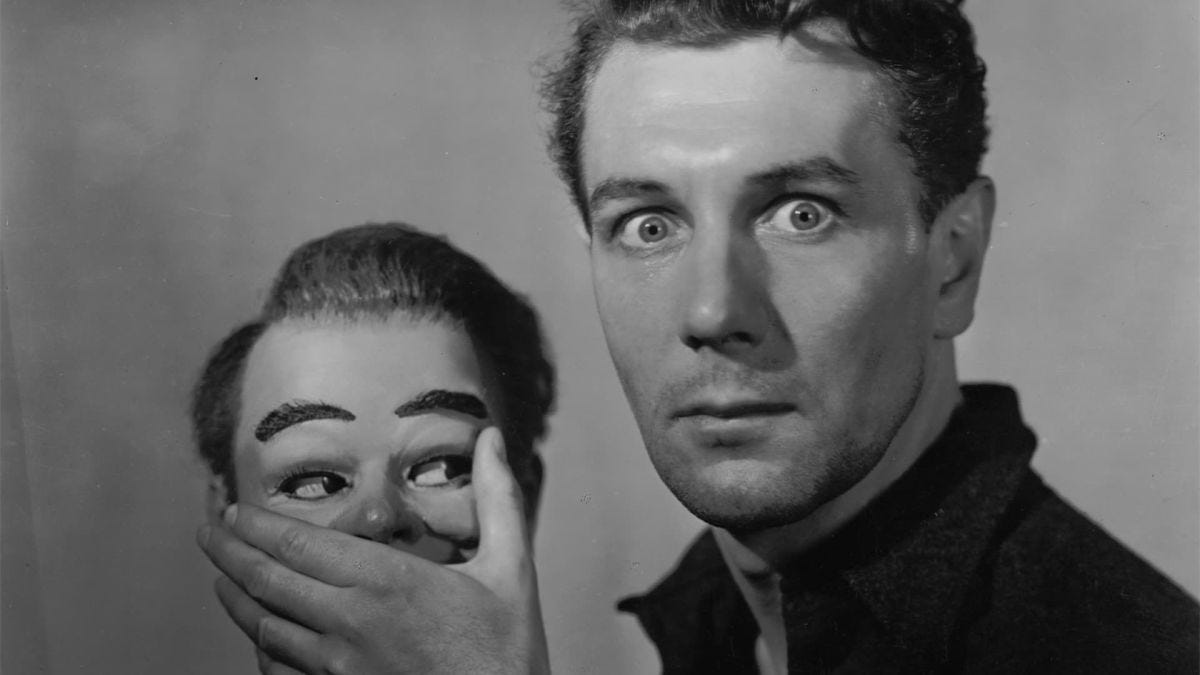
The first popular horror anthology film was 1945’s Dead of Night, one of my favorite movies of all time, paying homage to the ghost stories of Victorian Britain. This film follows a man who has a dream about an informal party. When he gets to the party in his waking life, he reveals his dream to the group and they each share their own supernatural stories. Britain’s Amicus Productions revived the genre partly because they loved Dead of Night so much, but also, they needed a niche. Amicus ended up making tons of anthology films (The House that Dripped Blood, Asylum, Tales from the Crypt) throughout the 1960s and 1970s, often with director Freddie Francis behind the camera. By making films alongside Britain’s folk horror movement, many of these stories were inspired by man versus forces unknown and avoiding meddling where you don’t belong.
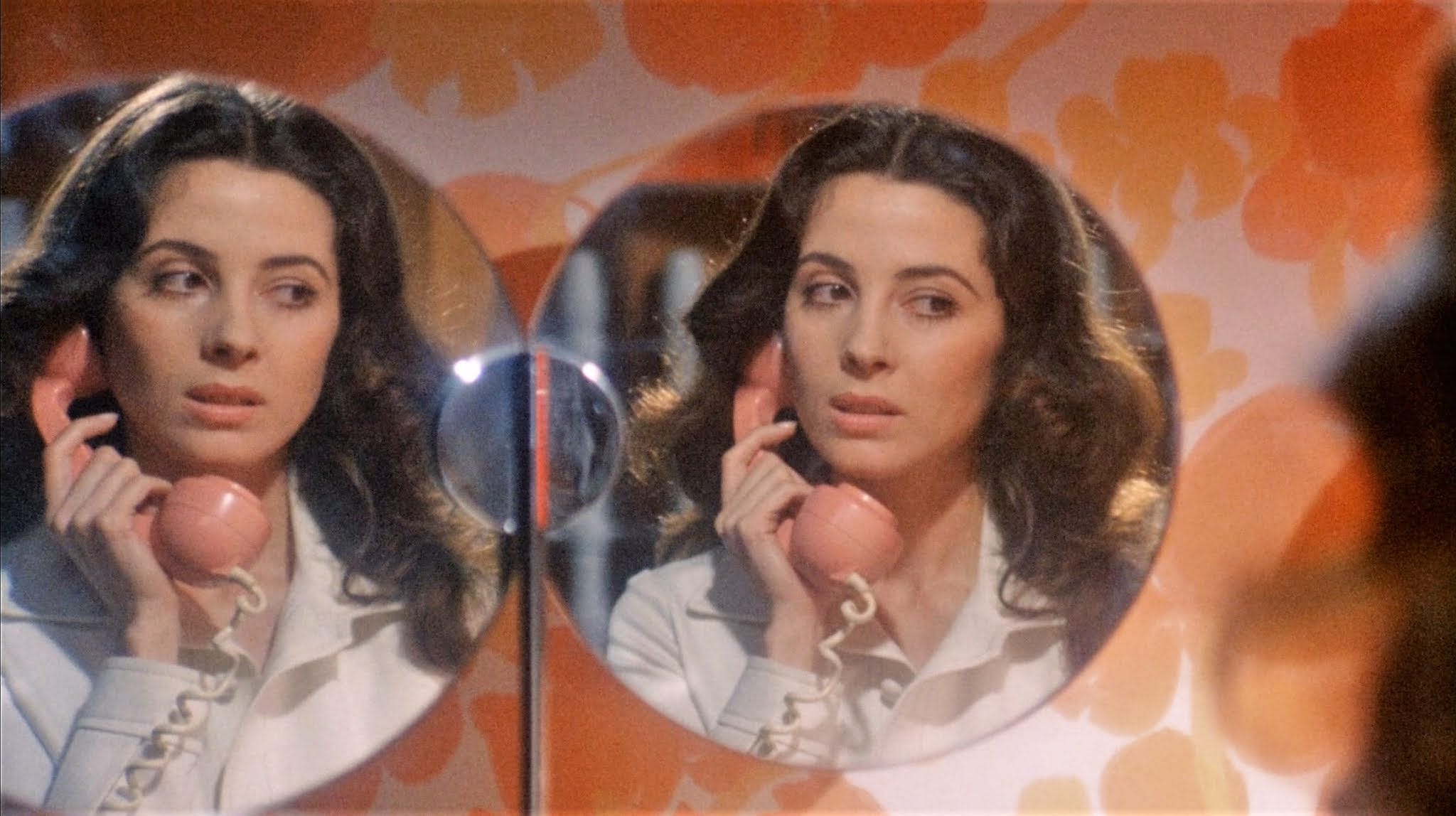
Some great horror anthology films were made between Dead of Night and Amicus’ revival. I would be remiss to not mention Roger Corman’s Poe anthology series called Tales of Terror in 1962, part of his “Poe cycle” of films. Mario Bava’s Black Sabbath in Italy (also one of my favorites) hit the scene in 1963. Black Sabbath featured three stories: a telephone stalker, a cursed ring, and a werewolf, with a narration by Boris Karloff between each tale. Arguably the best and most well respected, Masaki Kobayashi’s Kwaidan (1964) was created based on the Japanese short stories of Lafcadio Hearn. Kwaidan won the Special Jury Prizes at Cannes that year and was nominated for an Oscar for Best Foreign Language Film.
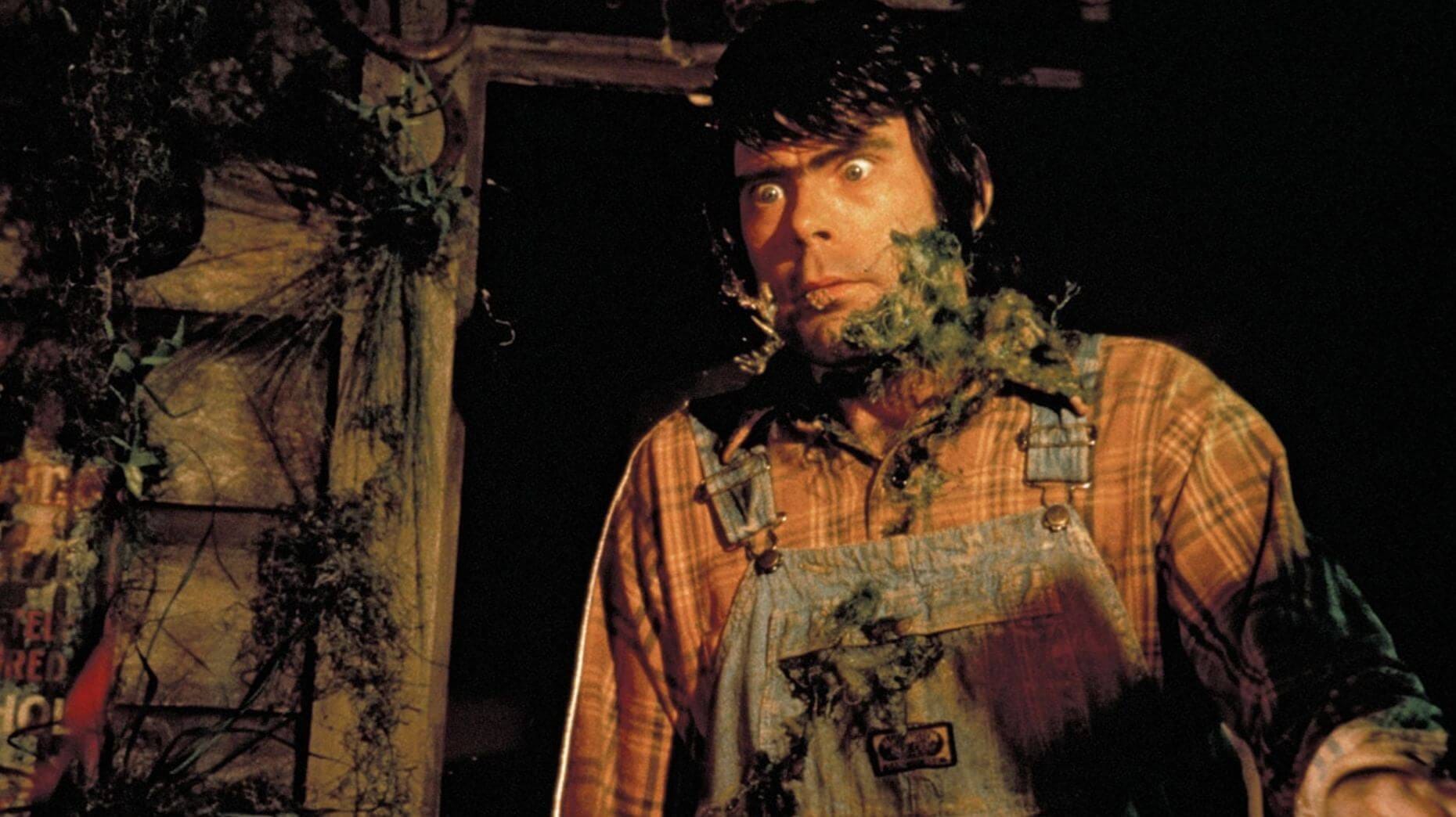
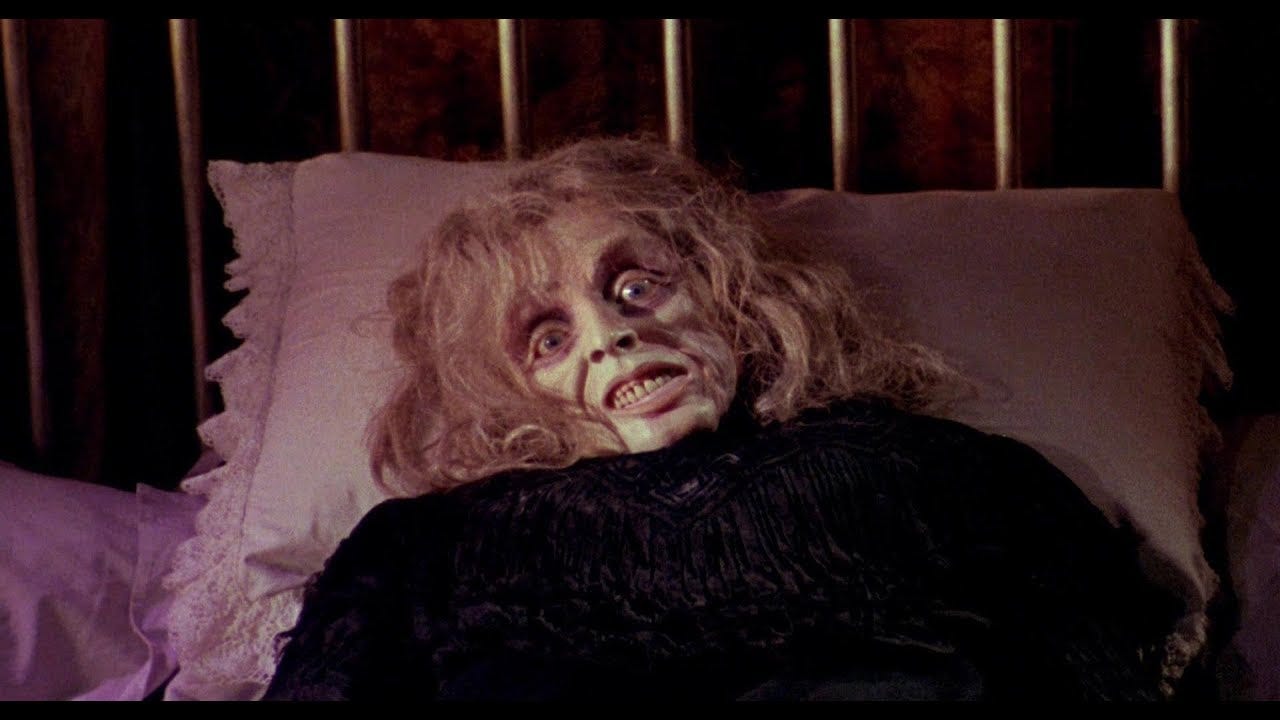
In the 1970’s, anthology horror began to shift when the subgenre hit North America. Writer Richard Matheson, who wrote more than a dozen episodes of speculative anthology tv show “The Twilight Zone,” penned two anthology movies: a made-for-tv movie called Trilogy of Terror(1975) that terrified children with its less-than-flattering murderous puppet, and the controversial The Twilight Zone: The Movie (1983) a mixed film by great directors. In 1982, Creepshow exploded the genre into popularity as George A. Romero and Stephen King teamed up to create 5 tales equally scary and silly. Cat’s Eye (1985) and Creepshow 2 (1987) extended King’s involvement in the subgenre. The American horror anthology began to be defined by its mix of humor and terror.
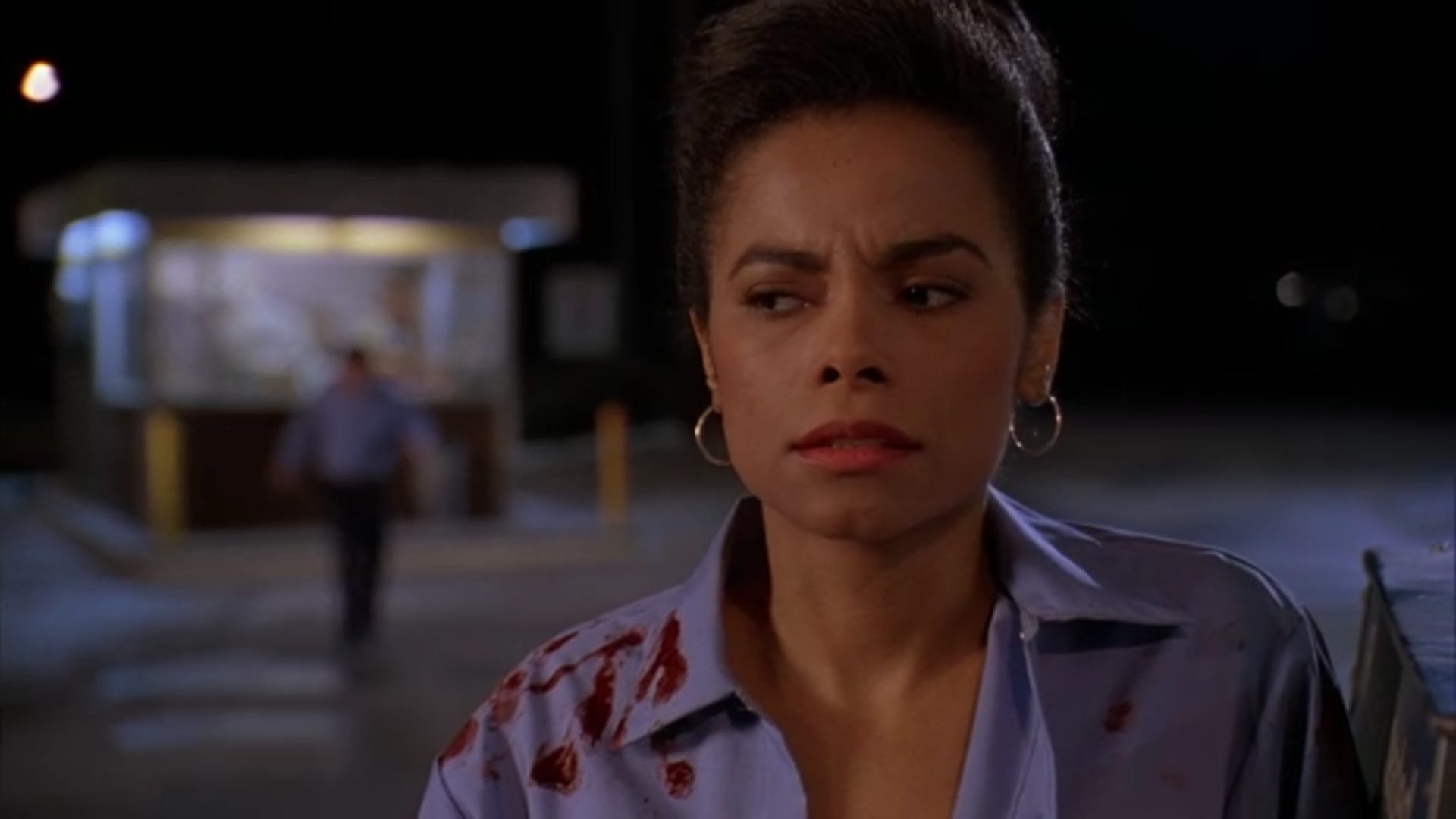
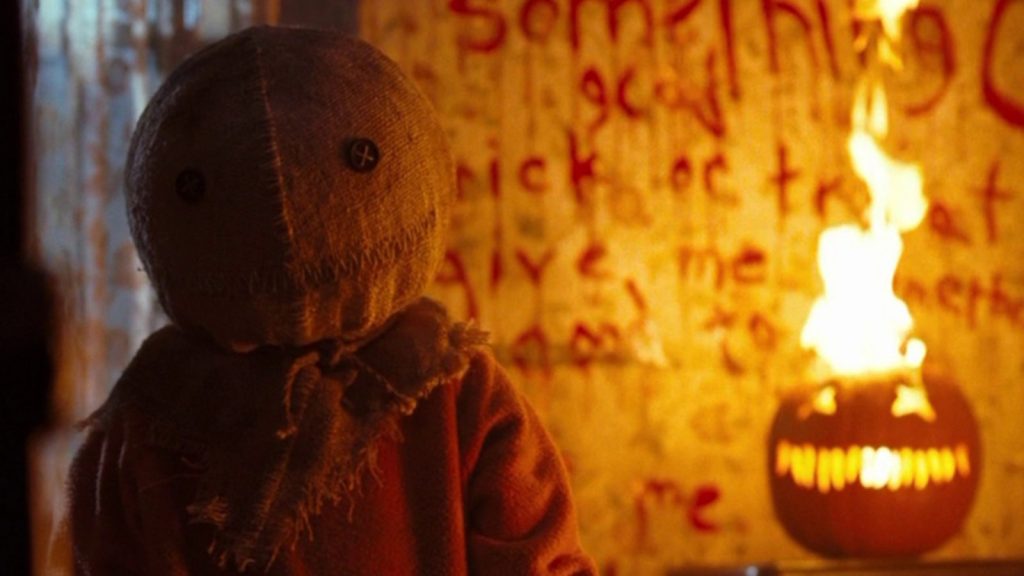
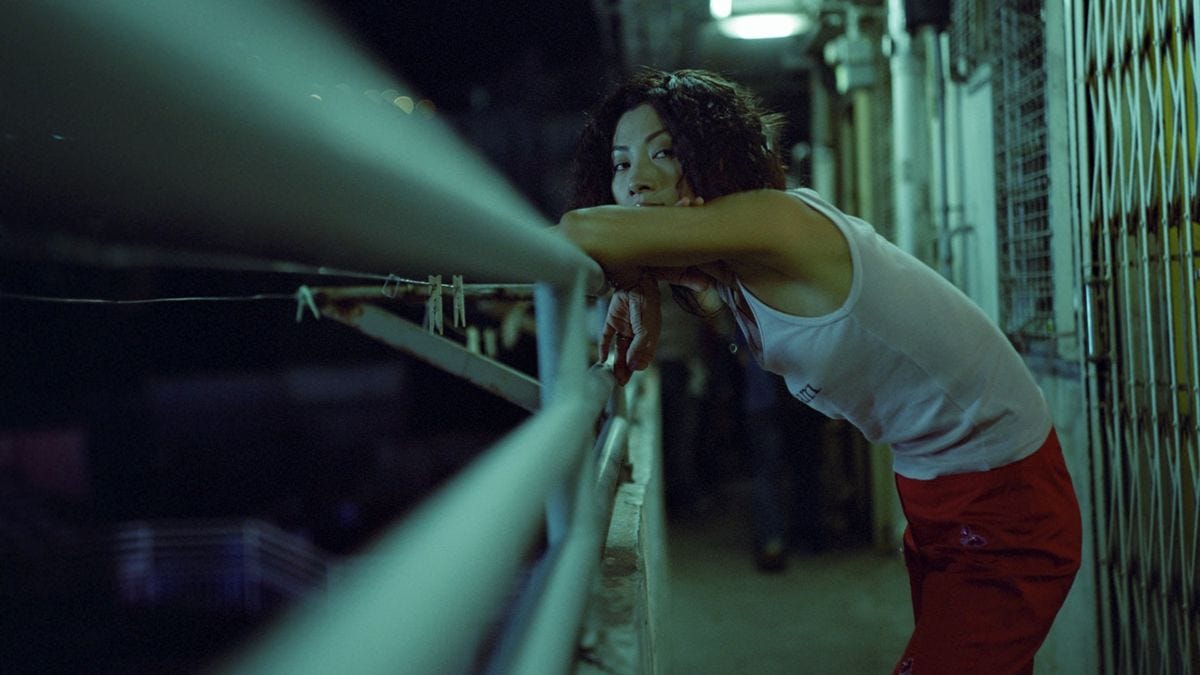
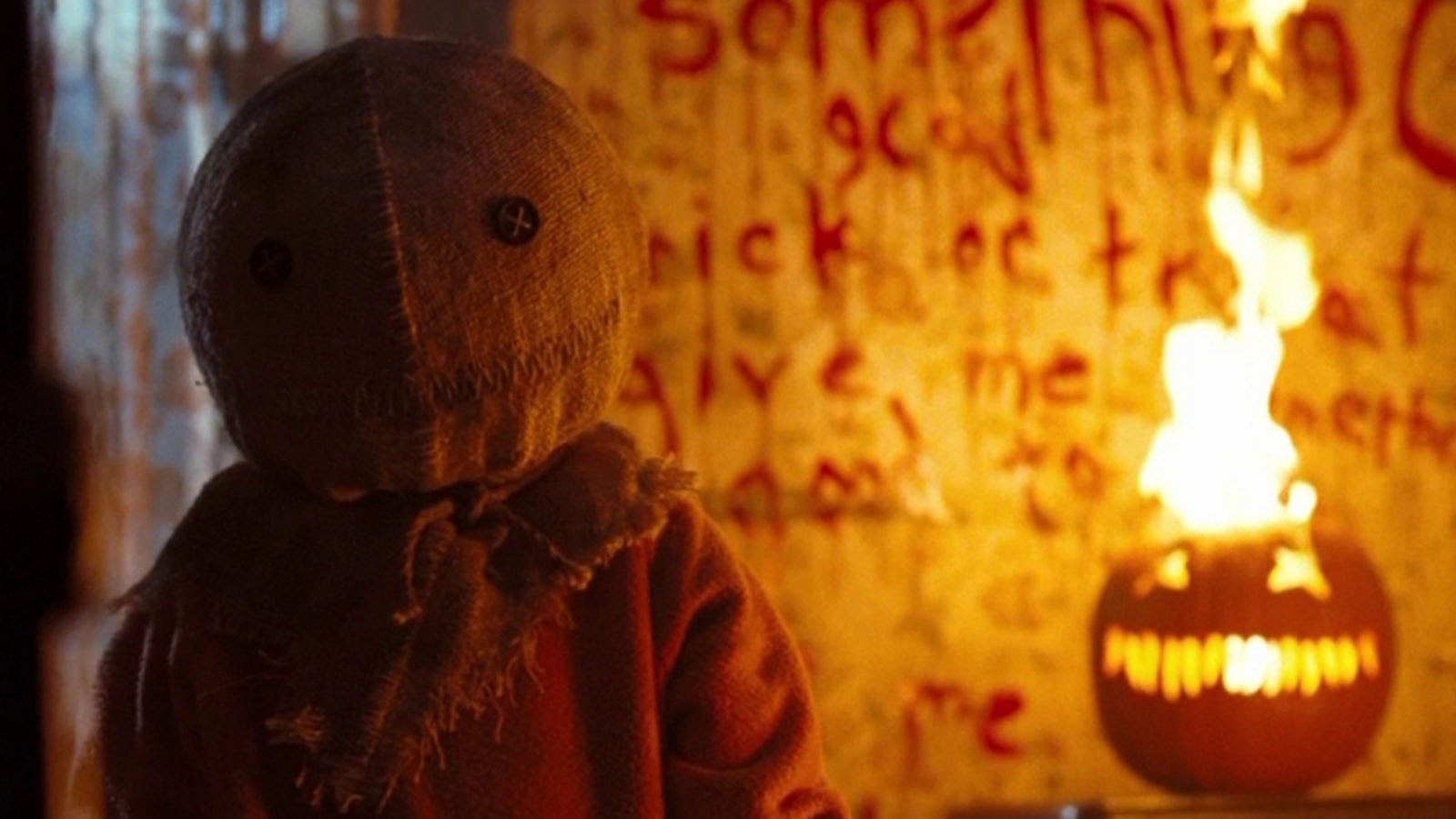
In the 1990’s and 2000’s, the tone of anthology films shifted yet again. Taking a page out of “The Twilight Zone’s” book, the “Tales from Darkside” tv series was adapted into a movie in 1990. Body Bags(1993) directed by Tobe Hooper and John Carpenter, and African-American anthology horror Tales from the Hood (1995) were also created during this period. The movie Three (2002) was released, as was a more-successful sequel called Three… Extremes(2004) directed by Fruit Chan, Park Chan-wook, and Takashi Miike. Despite the initial delay in its release, Michael Dogherry’s Trick ‘r Treat(2009) is a classic in this era and has since developed a cult following. This film follows a child named Sam dressed up in a pumpkin costume attempting to enforce the “rules” of Halloween in a small Midwestern town.
Recently, horror anthologies have been used to showcase short horror films with a weaker throughline/framing story. The ABCs of Death and the found footageV/H/S (both released in 2012) have spawned countless sequels, connected only loosely on a theme. Horror anthologies have been used to highlight directors from different backgrounds, such as Latinx filmmakers in Satanic Hispanics(2022) and women directors in XX (2017). I’m more patient with these, as they showcase creative efforts of marginalized directors.
What’s next for anthology horror? With the rise of horror novellas, I predict some longer or more complicated stories in the later anthologies. However, with the “get to the point” instant gratification of social media, maybe the later stories will be over-abundant and play with form like a Creepypasta. As short-form narratives wax and wane in popularity, the horror anthology film subgenre will also evolve.
A short story is often thought of as an “easier” narrative than something full-length. But I disagree– just because characters, setting and time are more concise in a short-form narrative doesn’t mean the plot, the cinematography, acting or music has to be. If you’d like to hear my take on four anthology horror movies throughout history, I was pleased to speak with Gabe Powers on his podcast Genre Grinder. Take a listen and let me know— what’s your favorite horror anthology movie?
 Chloe's Not Scared
Leave a comment